Thomas A. McKinney Explains What Employees Should Know About Hostile Work Environment Claims

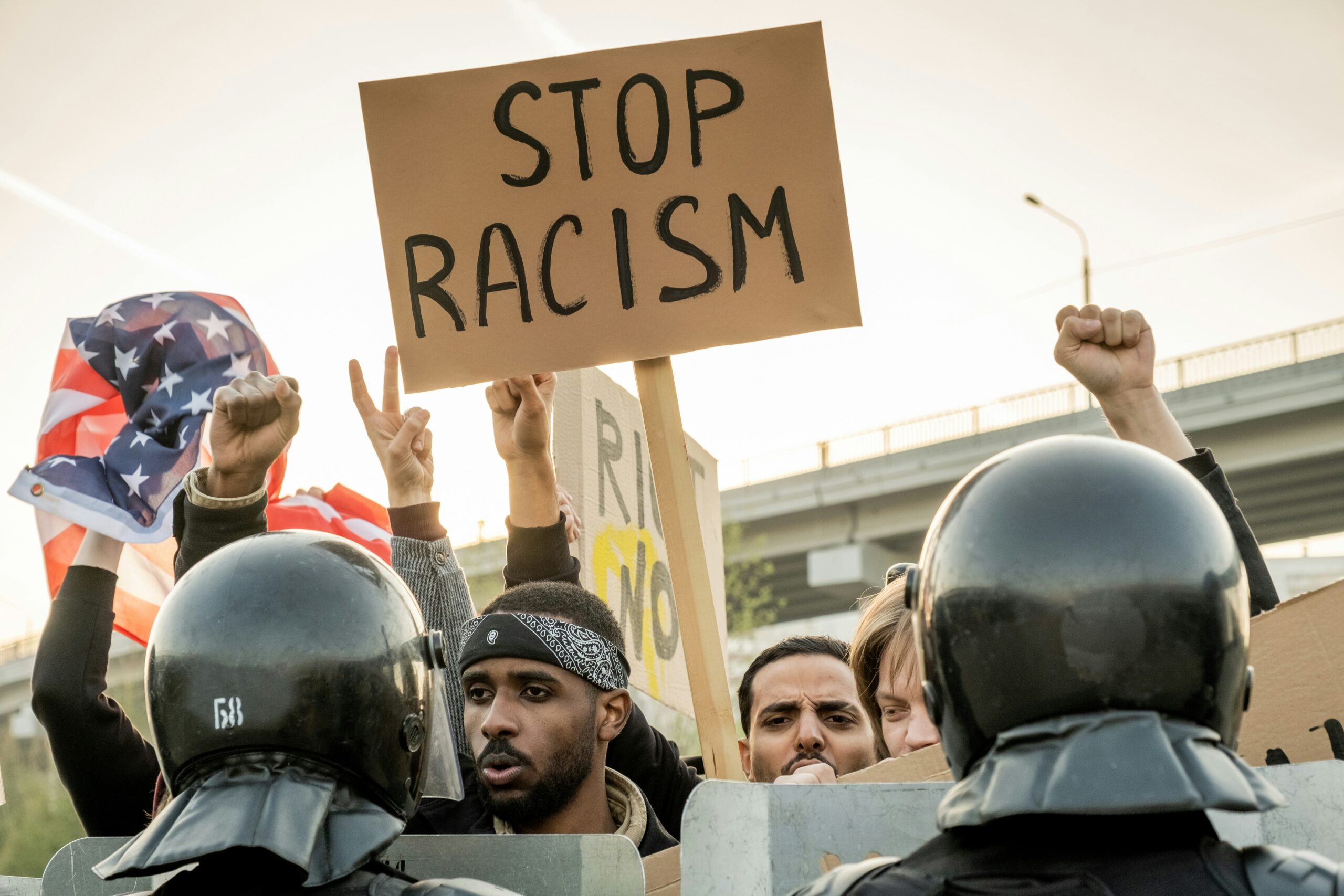
Many employees experience difficult workplace situations but are unsure whether the conduct rises to the level of an unlawful hostile work environment. While occasional disagreements, workplace stress, or isolated rude comments may not always create legal claims, repeated discriminatory or abusive conduct can become a serious employment law issue.
Thomas A. McKinney, a New Jersey employment lawyer, regularly represents employees in cases involving workplace harassment, discrimination, retaliation, wrongful termination, and hostile work environment claims. According to McKinney, employees often wait too long to seek legal guidance because they assume the conduct will eventually stop on its own.
What Is a Hostile Work Environment?
A hostile work environment generally exists when workplace conduct becomes severe or pervasive enough to interfere with an employee’s ability to perform their job or creates an intimidating, offensive, or abusive working environment.
Importantly, the conduct typically must relate to a legally protected characteristic such as sex, race, age, disability, religion, pregnancy, national origin, sexual orientation, or another protected category under federal or New Jersey law.
Employees seeking additional information about workplace harassment protections can review the firm’s page on New Jersey workplace discrimination claims.
Hostile Work Environment Claims Involve More Than One Incident
In many situations, hostile work environment claims involve repeated conduct occurring over time. Offensive jokes, discriminatory comments, inappropriate emails, repeated harassment, intimidation, exclusion, or abusive treatment may collectively contribute to a hostile environment.
However, a single incident may still support a claim if the conduct is sufficiently serious. Physical threats, sexual assault, or extreme discriminatory conduct can potentially create legal claims even without repeated behavior.
Employers May Still Be Responsible
Employers can face liability for hostile work environments created by supervisors, managers, coworkers, or in some cases even third parties connected to the workplace. Once employers become aware of potential harassment or discriminatory conduct, they are generally expected to investigate and take reasonable corrective action.
Failure to properly respond to complaints may significantly increase the employer’s legal exposure.
Why Documentation Matters
Employees experiencing workplace harassment should preserve evidence whenever possible. Emails, text messages, witness information, written complaints, performance reviews, and personal notes describing incidents may become critical later.
Documentation may help establish patterns of conduct, identify witnesses, and demonstrate whether the employer failed to address the situation appropriately after receiving notice.
Retaliation Frequently Follows Complaints
Employees often fear retaliation after reporting hostile workplace conditions. Unfortunately, retaliation claims commonly arise after workers complain about harassment or discrimination.
Examples of retaliation may include termination, demotion, reduced responsibilities, exclusion from meetings, sudden disciplinary action, or negative performance reviews following protected activity.
How an Employment Lawyer Can Help
An employment lawyer can evaluate whether workplace conduct may violate federal or New Jersey law, assess available evidence, and help employees determine the best course of action. Legal counsel may assist with internal complaints, negotiations, administrative filings, or litigation if necessary.
Early legal guidance can also help employees avoid mistakes that could unintentionally weaken future claims.
Contact Information
Castronovo & McKinney, LLC
100 Eagle Rock Avenue, Suite 200
East Hanover, NJ 07936
Phone: (973) 920-7888
Email: info@cmlaw.com
Conclusion
No employee should feel forced to tolerate discriminatory harassment or abusive workplace conditions. Understanding the legal standards surrounding hostile work environment claims can help employees better protect their careers and rights.
With guidance from experienced employment counsel like Thomas A. McKinney, employees can evaluate their legal options and take informed steps toward addressing unlawful workplace conduct.