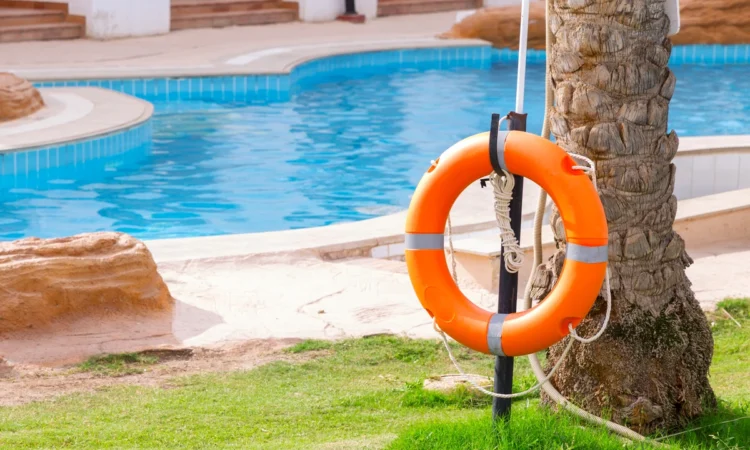
A day at the pool in Paradise can change in an instant when safety rules are ignored or hazards are left unaddressed. Visitors and residents alike rely on property owners to maintain safe conditions, especially in a city known for its bustling resorts and private rentals. When accidents happen, the legal questions can feel overwhelming: who is responsible, what rules apply, and how do victims seek fair compensation? This article explains Nevada’s pool safety standards, common causes of preventable incidents, and how liability is determined when drownings or injuries occur. If you or a loved one has been harmed in Paradise Swimming Pool Accidents, you’ll find practical guidance on evidence, damages, and policy developments. Click here to learn how professional legal support can help you move forward with confidence.
Understanding Nevada’s Pool Safety Standards and Legal Duties
Property owners in Nevada owe a baseline duty to keep pool areas reasonably safe, but the exact obligation depends on the type of property and the status of the person using it. Resort guests are typically considered invitees, which means the operator must inspect the premises, fix hazards, and warn about dangers that are not obvious. Social guests at a private home are usually licensees, and homeowners must maintain safe conditions and disclose known risks. Trespassers receive less protection, yet owners can still be liable for willful or reckless conduct and, importantly, for hazards that attract children. Many Paradise Swimming Pool Accidents occur not because water is inherently dangerous, but because owners fail to follow established standards and routine maintenance practices.
Public vs. Private Pool Requirements
Public pools in Nevada—such as those at hotels, community centers, or apartment complexes—are governed by state and local health regulations, including sections of the Nevada Administrative Code that address water quality, barrier systems, signage, and emergency equipment. Operators must ensure compliant fencing, self-closing gates, visible depth markers, life rings or reaching poles where required, and posted warnings for “No Lifeguard on Duty” when lifeguards are not present. Public facilities must also adhere to federal rules like the Virginia Graeme Baker Pool and Spa Safety Act, which mandates anti-entrapment drain covers to prevent suction-related injuries and drownings. Private homeowners are not subject to every public-pool requirement, but local building codes often require barrier fencing, gate latches out of a child’s reach, and in some cases door or pool alarms. The standard of reasonable care still applies—if a homeowner knows about a hazard, such as a broken gate latch or broken underwater light, failing to fix it can lead to liability.
Duties To Guests, Renters, and Child Trespassers
Resort operators have a broad duty to protect guests, including regular inspections of decks, drains, ladders, and lighting; quick remedial action for slick surfaces or clouded water; and adequate staffing where lifeguards are provided. Short-term rental hosts share similar responsibilities: they should disclose risks, perform regular maintenance, and verify that fences and locks meet code, especially if the listing advertises a family-friendly space. For children who wander into pools, Nevada courts recognize a heightened obligation under the attractive nuisance doctrine; owners must anticipate that a pool will draw children and take reasonable steps—like secure fences and self-latching gates—to keep them out. When an owner understands a risk and the cost or effort to fix it is small compared to the potential harm, a court may find that failure to correct the hazard is unreasonable. These duties are not merely technicalities—they are concrete steps that prevent tragedies.
Common Causes of Swimming Pool Accidents in Resorts and Homes
When a serious injury happens at a pool, it rarely stems from a single mistake. More often, it’s a cascade: a missing gate latch, algae slick on the deck, and poor lighting during an evening swim. At resorts, improper crowd management and inadequate supervision combine with unclear depth markers or overly shallow diving areas. In private homes, unsecured backyards and unalarmed doors often allow unsupervised access by toddlers or visiting children. In both settings, Paradise Swimming Pool Accidents are frequently linked to poor maintenance, ignored complaints, or safety equipment that was never installed.
Hazards Frequently Seen in Resorts
Resorts face unique pressures—high guest turnover, constant pool use, and complex facilities with spas, lazy rivers, and multiple decks. Common resort-related hazards include:
- Cloudy or poorly sanitized water that obscures visibility, delaying rescue attempts.
- Slippery surfaces from algae, spilled drinks, or soaps not promptly cleaned.
- Inadequate lifeguard coverage or staff not trained to respond to near-drowning.
- Noncompliant drain covers leading to suction entrapment of hair or clothing.
- Missing or broken equipment: rescue hooks, life rings, AEDs, and pool phones.
Crowding also raises risk. Without clear rules about running, diving, or bringing glass containers to the pool deck, minor oversights can escalate into catastrophic injuries. Resorts must set and enforce policies, document inspections, and respond to hazards as soon as they are discovered.
Risks in Residential and Short-Term Rentals
Home pools often lack the oversight that commercial facilities receive, which is why local codes emphasize barriers. Common residential failures include low fences, gates that don’t self-latch, and landscaping that creates climbable access. Another recurring problem is the absence of door alarms in homes that open directly to the pool area, leaving small children at grave risk during short lapses in supervision. Homeowners and hosts should also monitor chemical balance and clarity—clouded water reduces visibility and increases the danger of silent drownings. Finally, poorly lit backyards, loose handrails, and cracked coping stones create trip-and-fall hazards that can lead to head injuries near the waterline.
How Property Owners Are Held Liable for Drowning Injuries
Liability arises when an owner or operator fails to act with reasonable care and that failure causes harm. In a pool context, negligence might involve ignoring reports of a faulty gate, running a pool without compliant drain covers, or allowing algae to accumulate on the deck. If a safety statute or health regulation is violated and the violation contributes to injury, Nevada law may treat that as negligence per se, meaning the legal breach helps establish negligence without extensive debate about reasonableness. For resorts, the duty is heightened by the invitee relationship; operators must inspect for hidden dangers and correct them or provide clear warnings. Homeowners are not exempt—dangerous conditions they know about or should know about can expose them to claims, especially when children are involved.
Liability Theories That Frequently Apply
- Premises liability for dangerous conditions, such as loose tiles, inadequate lighting, or missing handrails.
- Negligence per se for violating pool-safety codes, signage rules, or barrier requirements.
- Vicarious liability for employees’ negligence, including lifeguard inattention or poor crowd management.
- Negligent hiring, training, or supervision where staff lack proper certifications or response protocols.
Families coping with Paradise Swimming Pool Accidents should also understand comparative fault in Nevada. If a victim’s actions contributed to the accident, damages can be reduced by their percentage of fault—but recovery is still allowed as long as the victim’s fault is not greater than the combined negligence of the defendants. This framework makes evidence collection and prompt investigation essential. Click here if you want guidance on preserving your rights immediately after an incident.
Child Trespassers and Attractive Nuisance
Pools are classic attractive nuisances. When owners know children are likely to enter their property, they must take reasonable steps to prevent harm: install compliant perimeter fencing, maintain self-closing gates, and use latches out of a child’s reach. Owners who leave toys in or near the pool, prop gates open, or disable alarms increase the likelihood of liability. Courts weigh the foreseeability of child entry, the severity of potential injury, and the ease of fixing the hazard. Because drowning can occur in minutes, even brief lapses in basic safeguards can be decisive evidence of breach.
Proving Negligence with Safety Violation Evidence
Proving a pool case turns on specific, tangible proof of what the owner did—or failed to do—and how that caused the injury. Health department inspection reports, maintenance logs, and surveillance footage often reveal the condition of the pool and deck in the hours or days leading up to the incident. Witness statements, lifeguard rotation schedules, and chemical test records are equally valuable, especially when water clarity or supervision is disputed. If a code or regulation was violated, documentation from local agencies, including citations or corrective action notices, can connect the dots between the breach and the outcome. For families dealing with Paradise Swimming Pool Accidents, assembling this evidence early supports a strong liability theory and counters claims that the victim was solely responsible.
Key Documents and Records to Request
- Pool maintenance logs: daily chemical readings, filter backwashing, and clarity checks.
- Safety equipment checklists: life rings, rescue hooks, AED status, and emergency phone functionality.
- Staff schedules and certifications: lifeguard rotations, training records, and incident response drills.
- Surveillance video and access control data: gate activity, door alarms, or key-card logs at resort facilities.
- Health department reports: inspection results, violation notices, and reinspection outcomes.
- Repair invoices and work orders: proof of when gates, drains, or lighting were fixed—or left unfixed.
Preservation letters are crucial. A timely letter to the owner or operator demanding they preserve video and records can prevent spoliation, which occurs when critical evidence is destroyed. If destruction happens after a reasonable preservation request, courts may allow adverse inferences against the party who failed to retain the material. Experts can then review the record to correlate safety lapses with the timeline of the incident, making causation clearer.
Expert Analysis and Scene Reconstruction
Expert witnesses—such as aquatic safety specialists, human factors experts, and engineers—play an outsized role in pool cases. They analyze visibility conditions, lifeguard sightlines, drain suction forces, and compliance with codes like the Virginia Graeme Baker Act. Using photos, measurements, and maintenance data, experts can reconstruct events and explain why a hazard was foreseeable and preventable. Medical experts link submersion time to hypoxic brain injury, clarifying how even a short delay in rescue can be catastrophic. This technical perspective helps juries understand how seemingly small oversights—like cloudy water or a single noncompliant drain cover—translate into life-altering harm.
Compensation for Medical Care, Pain, and Emotional Distress
Recovering fair compensation means accounting for immediate and long-term effects. Drowning survivors often face neurological injuries, memory deficits, or chronic respiratory problems, requiring months or years of therapy and specialized care. Even nonfatal incidents can result in fractures, spinal injuries, and complex PTSD for victims and bystanders. Economic damages typically include emergency transport, hospitalization, surgeries, rehabilitation, and lost income; non-economic damages cover pain, emotional distress, and loss of quality of life. In cases involving Paradise Swimming Pool Accidents, the goal is to document the full arc of harm—from the first ER bill to the cost of home modifications or lifelong attendant care.
Projecting Future Care and Financial Losses
Future damages matter as much as past bills. Vocational experts evaluate whether injuries limit the victim’s ability to work, while life-care planners map out long-term needs such as in-home nursing, mobility equipment, and ongoing therapies. Economists calculate the present value of these expenses and any loss of earning capacity, translating a difficult future into quantifiable terms. Thorough documentation reduces disputes and supports settlement negotiations. Because Nevada applies comparative negligence, damages are reduced by the victim’s fault percentage, making meticulous proof of the owner’s failures essential to preserving value.
Wrongful Death Damages and Deadlines
When drownings are fatal, eligible family members may bring a wrongful death claim. Damages can include funeral and burial costs, loss of financial support, loss of companionship, and the decedent’s pre-death pain and suffering through a survival action. Nevada generally requires personal injury and wrongful death claims to be filed within two years, though certain circumstances can change the timing; acting promptly protects your options. Insurers often move quickly to minimize payouts, so early representation helps manage statements, preserve evidence, and secure expert evaluations. If you are navigating the aftermath of Paradise Swimming Pool Accidents and need tailored advice, Click here to connect with resources that explain your next steps.
Legal Reforms Aimed at Preventing Pool-Related Injuries in 2025
Pool safety evolves as technology advances and incident data highlight recurring risks. For 2025, policymakers and safety advocates in Nevada are examining updates that align with the latest model codes, strengthen barrier standards, and encourage clearer warnings where lifeguards are not provided. Proposed reforms discussed by public health agencies and industry groups include enhanced recordkeeping requirements, mandatory door or pool alarms in certain residential configurations, and broader adoption of anti-entrapment solutions beyond minimum federal specifications. Training enhancements for lifeguards and pool operators—particularly around surveillance patterns and crowd management—are also on the agenda. The shared aim is straightforward: fewer tragedies and better accountability in the wake of preventable harm tied to Paradise Swimming Pool Accidents.
Technology and Training Upgrades on the Horizon
Expect increased emphasis on:
- Smart cameras and AI-assisted drowning detection to reduce response times in busy pools.
- Electronic chemical monitoring with alerts for clarity issues that compromise visibility.
- Universal signage standards for “No Lifeguard on Duty” that specify supervision responsibilities in plain language.
- Annual competency assessments for lifeguards focusing on scanning discipline, rotation intervals, and rescue drills.
Resorts and community operators may be encouraged—or required—to maintain digital inspection logs accessible to regulators and, in some contexts, to guests. Likewise, short-term rental platforms could face stronger obligations to verify pool-safety features in listings, pushing hosts toward consistent fencing and alarm compliance. These measures address hard lessons learn from past incidents: technology must complement, not replace, vigilant human oversight.
What Residents and Businesses Can Do Now
You don’t need to wait for 2025 reforms to elevate safety. Owners can conduct voluntary audits, verify that gates self-close and self-latch, install compliant drain covers, and ensure lighting and depth markers meet local expectations. Resorts should refresh staff training on surveillance zones and emergency action plans, while homeowners can add door alarms and keep rescue equipment visible and maintained. Posting transparent rules—no running, no diving in shallow areas, adult supervision at all times—creates shared responsibility and reduces confusion. If you have questions about compliance or how these potential reforms might affect your property, Click here for practical checklists and guidance tailored to Nevada standards.