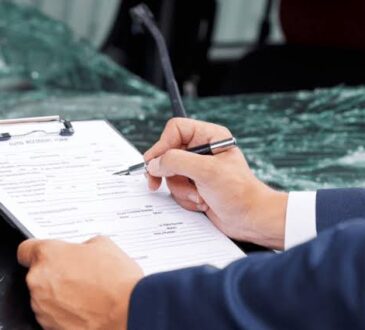
In 2025, a Car Accident Police Report is still the single most persuasive document in a crash claim. Insurers lean on it. Judges read it first. And injury attorneys build strategy around it. Even as vehicles stream telematics and phones capture high‑definition video, the official report anchors the facts: who was involved, what happened, and why. This guide explains how that report drives liability, how new tech like body‑cams and dash‑cams plugs in, where Indiana drivers can find their reports online, and how to fix errors before they snowball into bad settlements. For deeper dives and local guidance, drivers often turn to resources like straccilaw.com.
Why police reports remain the foundation of 2025 accident claims
Insurers may ingest black‑box data, connected‑vehicle pings, and even crowdsourced location traces, but they still organize a claim around the Car Accident Police Report. It’s the contemporaneous, neutral account created by an officer trained to document crashes. Adjusters use it to set initial liability reserves, to decide whether to challenge fault, and to route complex cases to litigation teams.
Three reasons it remains foundational in 2025:
- Presumption of reliability: Courts and carriers treat the report as a business record. While it’s not the final word on fault, it’s persuasive because it’s compiled at the scene using standardized state forms and codes.
- Structured detail: The report standardizes key facts, time, location, parties, insurance, contributing factors, so every stakeholder is literally on the same page. That makes comparisons and audits possible months later.
- Ecosystem integration: CAD timestamps, body‑cam references, and citation numbers all tie back into the report. Even when there’s rich video, the report is the index that points to the rest.
Practically, a strong report accelerates fair settlements. A vague or error‑filled one invites delays, “soft denials,” and disputes that cost time and money. That’s why attorneys often ask clients to obtain the report immediately and review it line by line.
Key sections of a report that affect liability determinations
Not all boxes on a Car Accident Police Report carry equal weight. Adjusters and defense counsel zero in on a handful of sections when deciding who’s responsible:
- Narrative and officer’s diagram: The free‑text narrative and sketch explain sequence, lanes, points of impact, and movements (e.g., left turn across traffic, rear‑end in stop‑and‑go). Subtle annotations, like “Vehicle 2 failed to yield”, often echo later in claim notes.
- Contributing circumstances and primary cause: These coded fields (e.g., “driver distraction, handheld device,” “speed too fast for conditions”) are frequently used by carriers to assign percentage fault at intake.
- Citations issued: While a ticket isn’t conclusive proof in civil court, it’s a powerful signal. A citation for following too closely or disregarding a signal commonly shifts leverage during negotiations.
- Witness statements and contact info: Independent witnesses can move a case from he‑said‑she‑said to clear liability. Missing phone numbers or incomplete statements can hurt.
- Environmental factors: Lighting, weather, roadway condition, traffic control devices, these details help reconstruct plausibility. For example, black ice notes can mitigate speed allegations.
- Vehicle and impact data: Airbag deployments, direction of force, intrusion descriptions, and damage locations help biomechanical experts tie the mechanism of injury to claimed harm.
- EMS linkage: Report numbers for the ambulance run or the hospital destination time support the timing of symptoms and treatment.
Attorneys often cross‑check the narrative against the diagram and the contributing factors. If they don’t align, they know to push for clarification or a supplemental report.
How body-cam and dash-cam footage supplement official records
Body‑cam and dash‑cam footage have become routine, and incredibly valuable, in 2025. They don’t replace the Car Accident Police Report: they enrich it.
What footage adds:
- Real‑time observations: Video captures parties’ spontaneous statements (“I looked down at my phone”), slurred speech, or visible injuries before adrenaline fades.
- Scene geometry: Camera angles help confirm lane markings, distances, debris fields, and traffic signal cycles when diagrams are oversimplified.
- Timestamp sync: Officers’ video metadata and CAD logs can be synchronized with telematics or 911 audio to resolve timeline disputes.
Access and preservation matter. Most departments follow retention schedules measured in months, not years. Attorneys typically send a preservation letter quickly and then request body‑cam/dash‑cam under Indiana’s Access to Public Records Act (APRA). When obtained, clips are cataloged and referenced back to the report, e.g., “See Body‑Cam 2, 13:47:12, driver admission,” which anchors the footage to the official narrative.
Civil litigants also layer in private video: vehicle dash‑cams, nearby business CCTV, even doorbell cameras. When the report identifies a business name or intersection, it tells the investigator where to knock first.
Common reporting errors and how attorneys request corrections
Police reports are written under pressure, busy roads, injured drivers, limited daylight. Errors happen. The trick is catching them early and asking for a fix before an insurer treats the mistake as gospel.
Frequent issues:
- Misidentified lanes or directions (eastbound vs. westbound)
- Incorrect vehicle make/model/VIN or swapped driver names
- Incomplete insurance policy numbers or wrong carriers
- Diagrams with reversed arrows or mislabeled vehicles
- Contributing factors that don’t match the narrative
- Missing witness details or wrong phone numbers
- Wrong location coordinates or mile markers
How corrections work:
- Prompt, polite request: Counsel typically emails the reporting officer (or the records unit) with the report number, page/field, the proposed correction, and supporting proof, photos, GPS data, or medical records.
- Supplemental or amended report: Many agencies won’t “change” the original but will issue a supplemental report or narrative addendum that clarifies facts. That’s enough to update an insurer’s file.
- Preserve professionalism: Demanding that an officer “admit fault” for one party rarely works and isn’t necessary. The goal is factual accuracy, lanes, times, identities, so liability can be argued on clean facts.
- Escalation: If a material error remains, attorneys may submit a formal APRA request for the full case file (notes, audio), or, in litigation, depose the officer to lock in clarifications under oath.
Timing matters. Requesting corrections within days or weeks reduces the risk that adjusters have already anchored to the error.
Digital access to police data through Indiana’s online portals
For Indiana crashes, digital access is straightforward in most jurisdictions. Drivers, attorneys, and insurers typically obtain a Car Accident Police Report through:
- BuyCrash (LexisNexis): Many Indiana agencies, including the Indiana State Police, release crash reports via BuyCrash. Users search by report number, date, and name: typical fees range from about $12–$20.
- Local agency portals: Some departments use their own records request pages or third‑party vendors (e.g., CARFAX CrashDocs) alongside or instead of BuyCrash.
- IN.gov resources: Agency pages on IN.gov link to the correct portal and provide records unit contact details. Some services require an Access Indiana account for status updates or fee payments.
Practical tips:
- Have the case/report number if possible. If not, the exact date, time window, location, and driver names help.
- Wait a few days after the crash. Reports usually post after supervisory approval, often 3–7 business days.
- Ask for attachments. Photographs, diagrams, and supplemental narratives may be separate files.
- Keep receipts. Downloaded PDFs include authentication metadata that insurers recognize.
If the agency didn’t respond to the scene, a person can still request any records of a self‑reported incident or the 911/CAD logs to establish timing. Indiana’s APRA governs access: exemptions apply to active investigations and sensitive personal data.
Using reports to support injury documentation and medical evidence
A well‑documented Car Accident Police Report does more than assign blame, it bridges mechanism of injury with treatment, which is why medical providers and insurers read it closely.
Key linkages:
- Mechanism and forces: Notes about speed, direction of force, airbag deployment, seatbelt use, intrusion, and whether the vehicle was drivable inform expectations for injury patterns, from whiplash to rib fractures.
- On‑scene symptoms: “Complains of neck pain,” “loss of consciousness,” or “visible laceration” time‑stamp the onset of symptoms. That timing often defeats arguments that injuries were unrelated.
- EMS and hospital routing: Reported ambulance unit numbers, run IDs, and destination facilities tie directly to medical records and billing.
- Occupant position: Driver vs. right‑rear passenger matters for injury plausibility and for insurance coverage analysis.
Attorneys frequently append the report to a demand package alongside:
- ER records and imaging (X‑ray, CT, MRI)
- Treating provider notes and impairment ratings
- A billing ledger and CPT/ICD‑10 summaries
- A pain journal or employer letters confirming lost work
When a report is thin, no symptom notation, for example, counsel leans on contemporaneous evidence: urgent‑care timestamps, pharmacy receipts, and body‑cam audio capturing a client saying, “My back is killing me.” The goal is consistent, corroborated medical proof aligned with what the report shows about the crash forces.